









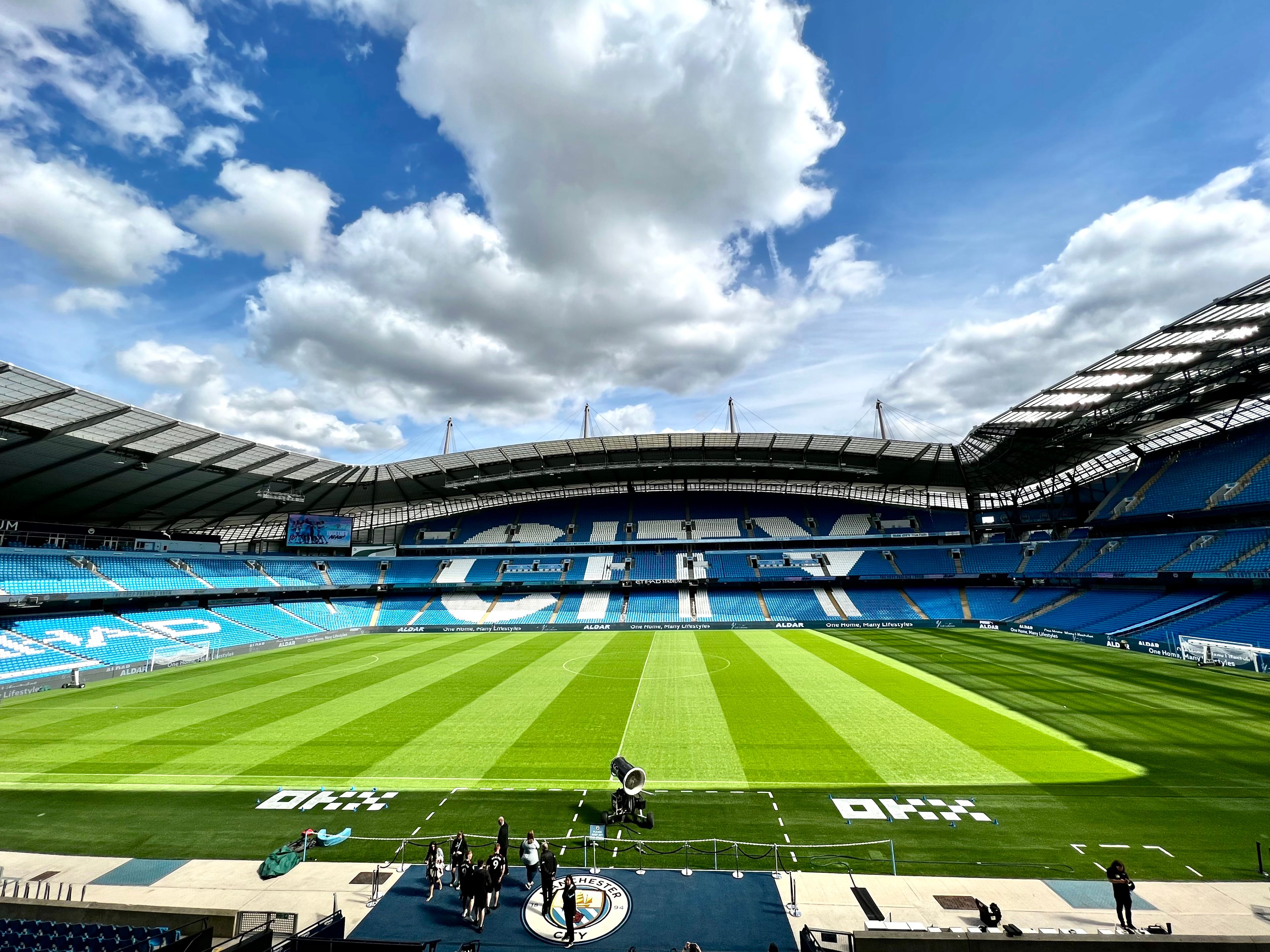
The FIFA World Cup 2026 will be the largest football tournament ever staged, hosted across USA, Canada, and Mexico. With 48 teams, 104 matches, and 16 stadiums, fans will witness football in some of the most iconic venues in North America. But not all stadiums are created equal — some stand out for their history, capacity, design, and atmosphere. In this blog, we’ll rank the best World Cup 2026 stadiums, highlighting what makes each special and why they’ll be unforgettable for fans and players alike.
Introduction
Stadiums are more than just venues; they are the beating heart of the World Cup. From the roar of the crowd to the architectural brilliance, each stadium adds its own flavor to the tournament. The 2026 edition features a mix of historic grounds like Estadio Azteca and modern marvels like SoFi Stadium, ensuring fans experience both tradition and innovation.
Ranked Stadiums
1. Estadio Azteca (Mexico City, Mexico)
-
Capacity: ~87,000
-
Why It’s Special: The only stadium to host three World Cups (1970, 1986, 2026). Legendary matches like Maradona’s “Goal of the Century” were played here. Its history and atmosphere make it the crown jewel of 2026.
2. MetLife Stadium (New Jersey, USA)
-
Capacity: ~82,500
-
Why It’s Special: Host of the World Cup Final. Located near New York City, it combines massive capacity with modern facilities, ensuring a grand finale worthy of football’s biggest stage.
3. SoFi Stadium (Los Angeles, USA)
-
Capacity: ~70,000 (expandable to 100,000)
-
Why It’s Special: A futuristic stadium with cutting-edge technology, giant video boards, and luxury fan experiences. Its design makes it one of the most advanced stadiums in the world.
4. AT&T Stadium (Dallas, USA)
-
Capacity: ~80,000 (expandable to 100,000)
-
Why It’s Special: Known as “Jerry World,” this stadium is famous for its retractable roof and massive HD screen. It’s expected to host high-profile knockout matches.
5. BC Place (Vancouver, Canada)
-
Capacity: ~54,500
-
Why It’s Special: Canada’s premier stadium with a retractable roof and stunning views. Its location in Vancouver makes it a fan favorite for international visitors.
6. Gillette Stadium (Boston, USA)
-
Capacity: ~65,000
-
Why It’s Special: Home to passionate sports fans, Boston’s Gillette Stadium offers a lively atmosphere and strong football culture.
7. Levi’s Stadium (San Francisco Bay Area, USA)
-
Capacity: ~68,500
-
Why It’s Special: A modern stadium with eco-friendly design, located in Silicon Valley. Expect a tech-driven fan experience here.
8. Hard Rock Stadium (Miami, USA)
-
Capacity: ~65,000
-
Why It’s Special: Miami’s vibrant culture and diverse fan base will make this stadium one of the most colorful venues of the World Cup.
9. Mercedes-Benz Stadium (Atlanta, USA)
-
Capacity: ~71,000
-
Why It’s Special: Famous for its retractable roof and circular video board, this stadium is a marvel of engineering and fan engagement.
10. Estadio BBVA (Monterrey, Mexico)
-
Capacity: ~53,500
-
Why It’s Special: A modern Mexican stadium with breathtaking mountain views, offering a unique backdrop for World Cup matches.
Key Factors in Ranking
-
Historical Significance: Estadio Azteca tops the list for its legendary past.
-
Capacity & Atmosphere: Larger stadiums like MetLife and AT&T offer unmatched energy.
-
Modern Facilities: SoFi and Mercedes-Benz lead in technology and fan comfort.
-
Location Appeal: Stadiums in cities like Miami, Vancouver, and San Francisco add cultural richness.
Conclusion
The FIFA World Cup 2026 will be remembered not only for the players and matches but also for the stadiums that host them. From the historic Estadio Azteca to the futuristic SoFi Stadium, each venue offers something unique. Whether you’re attending in person or watching from afar, these stadiums will define the atmosphere of the tournament and create memories that last a lifetime.