









Introduction
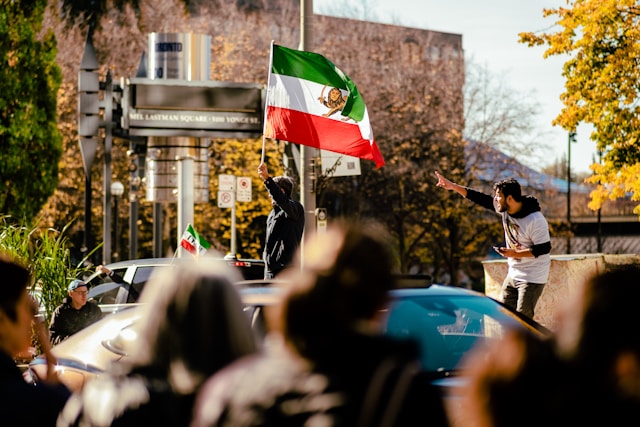
The Middle East has once again become the center of global attention as tensions between Iran, Israel, and the United States escalate into a major regional crisis. What began as a long-standing rivalry over nuclear ambitions, military influence, and regional power has now developed into open conflict with global consequences. Governments, financial markets, and international organizations are closely watching the situation because its impact extends far beyond the Middle East.
The current confrontation has not only intensified military tensions but also reshaped international alliances, economic policies, and geopolitical strategies around the world. From rising oil prices to shifting diplomatic alliances, the Iran conflict is changing the way global politics works in 2026.
Background of the Iran–Israel Rivalry
To understand the current crisis, it is important to look at the roots of the conflict. Iran and Israel have been strategic enemies for decades. Before the Iranian Revolution in 1979, the two countries had relatively normal relations. However, after the revolution, Iran’s new leadership adopted a strong anti-Israel stance and began supporting groups hostile to Israel across the Middle East.
Over the years, tensions increased as Iran expanded its military influence in countries such as Syria, Lebanon, and Iraq. At the same time, Israel viewed Iran’s nuclear program as a serious threat to its national security. The United States, a close ally of Israel, also opposed Iran’s nuclear ambitions and imposed economic sanctions on Tehran.
Attempts to revive the 2015 nuclear agreement failed during the past few years, creating an environment where diplomacy weakened and military confrontation became more likely.
The Escalation of the 2026 Conflict
The situation escalated dramatically on February 28, 2026, when the United States and Israel launched a large-scale military operation targeting Iranian military infrastructure, missile systems, and nuclear facilities. The operation included hundreds of airstrikes across several Iranian cities such as Tehran, Isfahan, and Qom.
During the early stage of the attacks, Iran’s Supreme Leader Ayatollah Ali Khamenei was killed, along with several top military commanders and nuclear scientists. This event shocked the region and significantly escalated the conflict.
Iran quickly responded with retaliation. The country launched hundreds of ballistic missiles and drones toward Israeli territory and U.S. military bases located in the Gulf region. Some attacks targeted bases in countries like Qatar, Bahrain, Saudi Arabia, and the United Arab Emirates. These strikes turned the crisis into a wider regional confrontation rather than a simple bilateral conflict.
Within days, the fighting spread to other areas of the Middle East. Militias allied with Iran and groups like Hezbollah became involved, increasing fears of a larger regional war.
Regional Security Under Pressure
One of the biggest consequences of the Iran conflict is the growing instability across the Middle East. Countries in the Gulf region have found themselves in a difficult position. Many of them host American military bases while also maintaining economic relationships with Iran.
As missiles and drones cross regional airspace, these countries are forced to strengthen their air defenses and security measures. Some Gulf states have experienced direct attacks on infrastructure, including energy facilities and desalination plants.
The expansion of attacks on infrastructure has also raised concerns about civilian safety. Reports indicate that more than 1,200 people have died in Iran and hundreds more in neighboring countries since the conflict began.
For many governments in the region, the conflict highlights how fragile security arrangements can be when major powers become involved in local rivalries.
Global Energy Markets in Turmoil
Another major consequence of the conflict is its impact on global energy markets. The Middle East is one of the most important energy-producing regions in the world, and any disruption can immediately affect global oil prices.
A key factor in the crisis is the Strait of Hormuz, a narrow waterway through which about one-fifth of the world’s oil supply normally passes. After the start of the conflict, Iran warned shipping companies and effectively disrupted maritime traffic in the area.
As a result, global energy markets reacted quickly. Oil prices surged by more than 25 percent in the early days of the conflict as production facilities and shipping routes were disrupted.
Many Asian economies, including India, China, and Japan, depend heavily on oil imported from the Middle East. Higher energy prices could slow economic growth and increase inflation worldwide.
Cyber Warfare and Modern Conflict
Modern warfare is no longer limited to traditional battlefields. The Iran conflict has also highlighted the growing role of cyber warfare in international politics.
During the early stages of the conflict, dozens of hacking groups launched cyberattacks targeting energy companies, government networks, and financial systems across the region. More than 60 groups reportedly claimed involvement in cyber operations linked to the conflict.
These cyberattacks aimed to disrupt communication systems, damage infrastructure, and spread psychological pressure on governments and populations. Financial institutions and cybersecurity agencies around the world have raised alerts due to the possibility of further attacks.
The digital dimension of the conflict shows how modern geopolitics now includes both physical and cyber battlefields.
Shifting Global Alliances
The Iran crisis is also reshaping international alliances. While the United States and Israel are working closely together in military operations, other global powers have expressed concern about the escalation.
China has criticized the war and called for diplomatic solutions, warning that further escalation could destabilize the global order. At the same time, Russia has also voiced concerns about the risks of a wider conflict.
For many countries, the situation highlights the challenge of balancing economic interests with political alliances. Nations that rely on Middle Eastern energy supplies are particularly concerned about the long-term stability of the region.
The conflict has also raised questions about whether diplomatic negotiations could return in the future or whether the region is entering a prolonged period of instability.
The Humanitarian Impact
Beyond geopolitics and economics, the conflict has also created a humanitarian crisis. Airstrikes and missile attacks have damaged residential areas, schools, hospitals, and critical infrastructure.
Thousands of civilians have been displaced from their homes, while many international travelers remain stranded due to the closure of airports and airspace in several countries.
Humanitarian organizations warn that prolonged conflict could worsen the situation, particularly if energy infrastructure and water facilities continue to be targeted.
The human cost of war is often the most tragic aspect of geopolitical conflicts, and the Iran crisis is no exception.
What the Future Might Hold
The future of the Middle East remains uncertain. Some analysts believe the conflict may remain limited to military strikes and proxy battles. Others fear it could escalate into a broader regional war involving multiple countries.
There are also questions about Iran’s political future after the death of its supreme leader. While some leaders have called for political change in Tehran, intelligence assessments suggest that Iran’s governing structure is resilient and unlikely to collapse quickly.
At the same time, international pressure for diplomatic negotiations is increasing. Many governments and global organizations are urging both sides to return to talks in order to prevent further escalation.
Conclusion
The Iran conflict has become one of the most significant geopolitical events of 2026. What started as a confrontation between long-standing rivals has quickly evolved into a crisis affecting global politics, energy markets, and international security.
The situation demonstrates how interconnected the modern world has become. A conflict in one region can influence global economies, diplomatic alliances, and technological security systems.
As the world watches the developments in the Middle East, one thing is clear: the outcome of this crisis will shape global politics for years to come. Whether through diplomacy or continued confrontation, the decisions made in the coming months will determine the future stability of the region and the broader international order.