









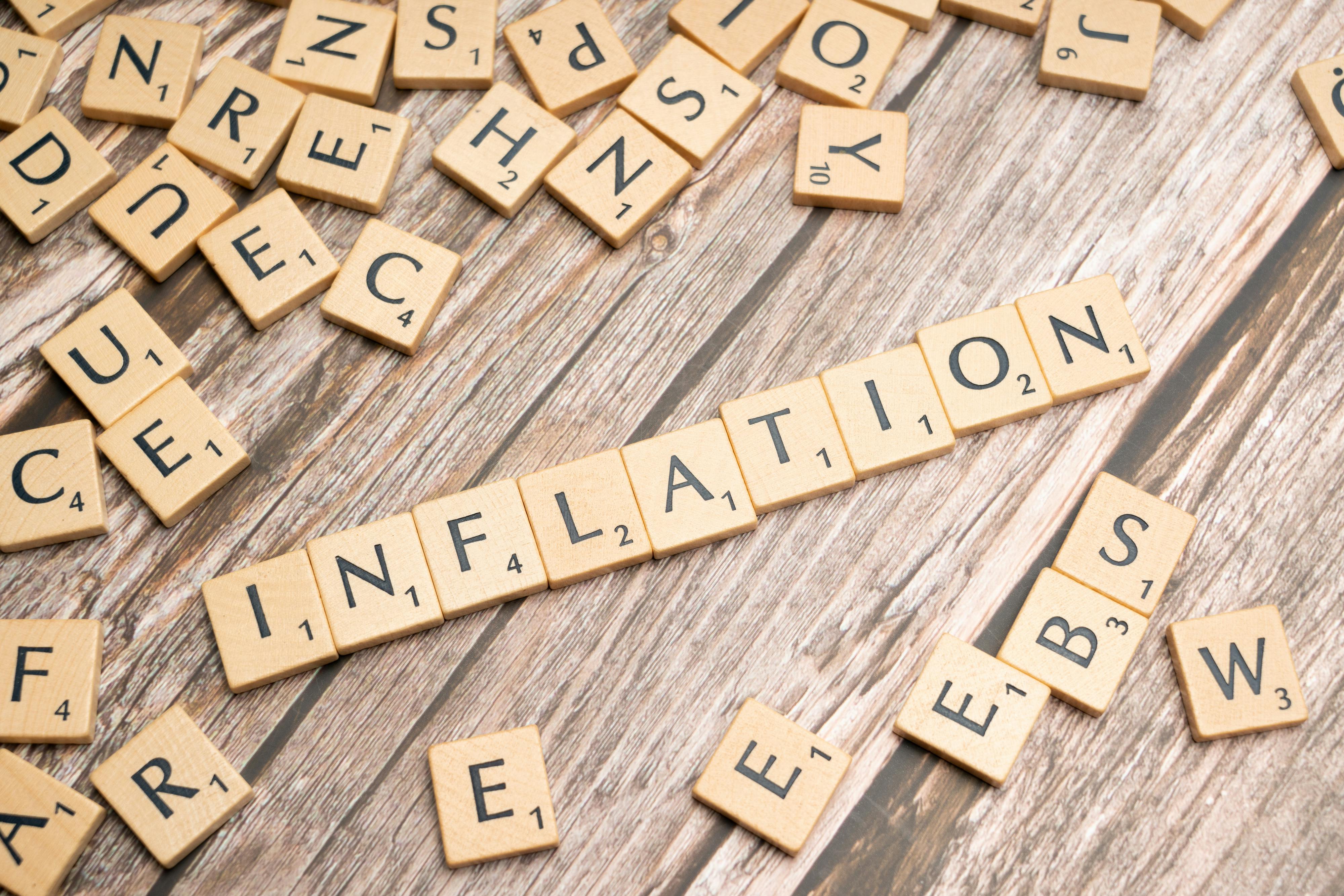
Why Everything Is So Expensive in 2026 (And What You Can Do About It)
If it feels like your money isn’t going as far as it used to, you’re not imagining things. From groceries to rent, prices across the globe have surged, leaving millions struggling to keep up. But why is everything so expensive in 2026—and more importantly, what can you do about it?
Let’s break it down in simple terms and give you practical solutions you can actually use.
What’s Driving High Prices in 2026?
1. Global Inflation Still Hurting Economies
Inflation remains the biggest reason behind rising costs. After years of economic disruption, countries like the United States and China are still dealing with price instability.
When inflation rises:
-
Currency loses value
-
Goods become more expensive
-
Your purchasing power drops
In simple words: you pay more for the same things.
2. Supply Chain Disruptions
Even in 2026, global supply chains haven’t fully stabilized. Delays in shipping, increased fuel costs, and geopolitical tensions continue to push prices up.
This affects:
-
Food prices 🍎
-
Electronics 📱
-
Everyday essentials 🛒
3. Rising Energy Costs
Energy prices play a major role in everything—from transportation to manufacturing.
When fuel and electricity costs increase:
-
Businesses raise prices
-
Transportation becomes expensive
-
Utility bills go up
4. Interest Rates & Borrowing Costs
To control inflation, central banks increased interest rates. While this helps stabilize economies, it also makes:
-
Loans more expensive
-
Mortgages higher
-
Business operations costlier
5. Corporate Pricing & Profit Margins
Some companies have taken advantage of inflation to increase prices beyond necessity. This phenomenon, often called “greedflation,” has contributed to higher costs for consumers.
How This Affects Your Daily Life
In 2026, the average person is facing:
-
Higher grocery bills
-
Expensive housing and rent
-
Increased transportation costs
-
Less savings at the end of the month
The result: financial stress and reduced lifestyle flexibility
What You Can Do About It (Practical Tips)
Now the important part—how to fight back and protect your money.
1. Track Every Expense
Start by understanding where your money goes.
-
Use budgeting apps or a simple spreadsheet
-
Identify unnecessary spending
-
Cut non-essential costs
Awareness is the first step to saving.
2. Focus on Smart Budgeting (50/30/20 Rule)
Divide your income into:
-
50% Needs
-
30% Wants
-
20% Savings
Adjust this based on your situation—but always prioritize saving.
3. Reduce Everyday Costs
Small changes can make a big difference:
-
Buy in bulk
-
Switch to local brands
-
Cook at home more often
-
Cancel unused subscriptions
4. Build Multiple Income Streams
Relying on one income source is risky in today’s economy.
Consider:
-
Freelancing
-
Online work
-
Selling digital products
-
Content creation on platforms like YouTube
Extra income = more financial security
5. Invest Wisely
Don’t let inflation eat your savings.
Explore:
-
Stocks
-
Mutual funds
-
Digital assets like Bitcoin
Always research before investing.
6. Build an Emergency Fund
Aim to save at least 3–6 months of expenses.
This protects you from:
-
Job loss
-
Unexpected bills
-
Economic uncertainty
7. Learn High-Income Skills
Upskilling is one of the best defenses against rising costs.
In-demand skills in 2026:
-
AI tools & automation
-
Digital marketing
-
Freelancing skills (writing, design, coding)
What to Expect in the Future
While inflation may slow down, prices are unlikely to return to old levels. The key is not to wait for things to get cheaper—but to adapt and stay financially smart.
Final Thoughts
Yes, everything is more expensive in 2026—but you’re not powerless. By understanding the causes and taking smart financial steps, you can stay ahead of rising costs.The goal isn’t just to survive—it’s to build a stronger, more secure financial future.
Bonus: Quick Action Checklist
-
✔ Track your expenses
-
✔ Cut unnecessary spending
-
✔ Start a side hustle
-
✔ Invest smartly
-
✔ Build an emergency fund